

Jean-Michel Blais

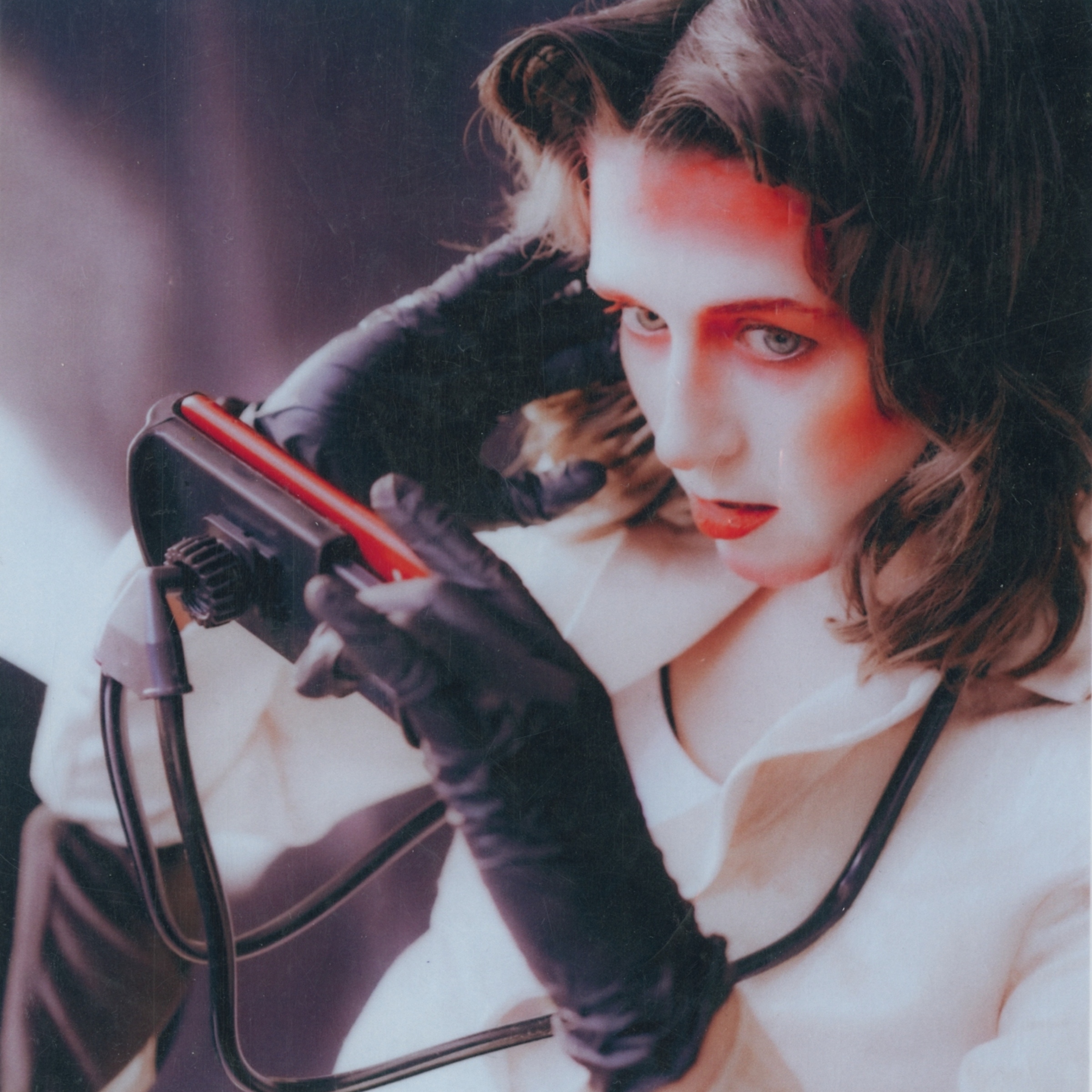

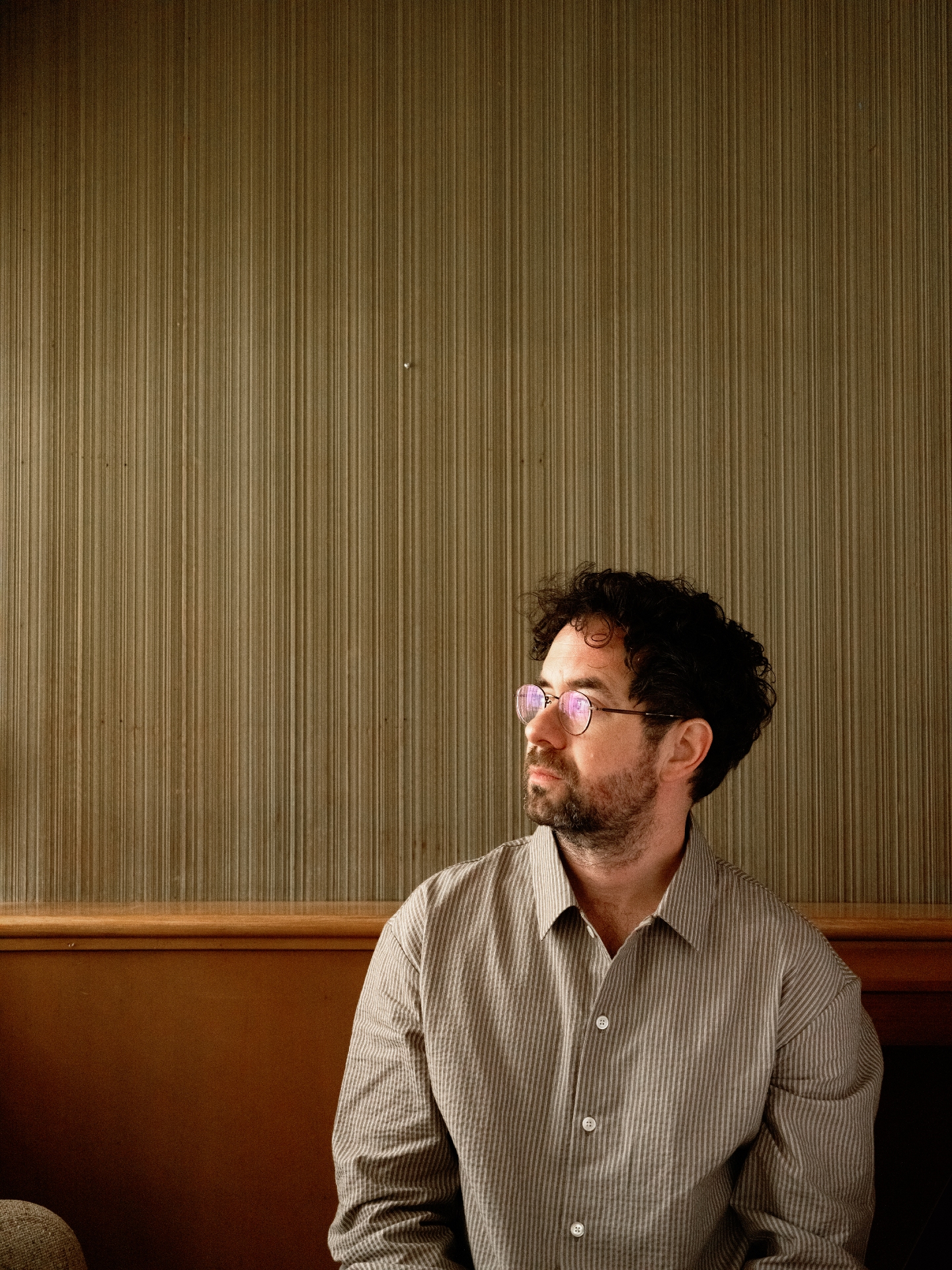
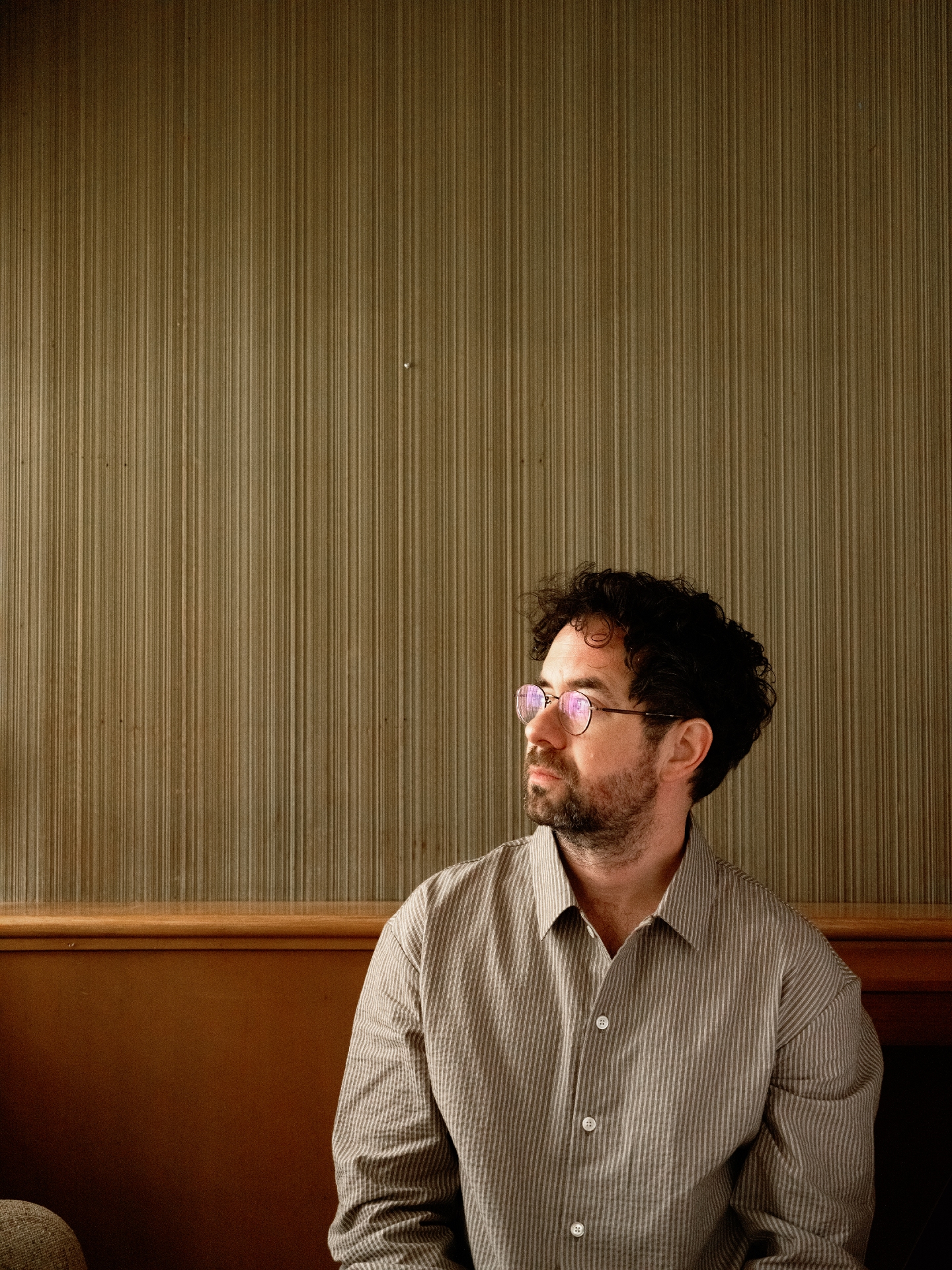
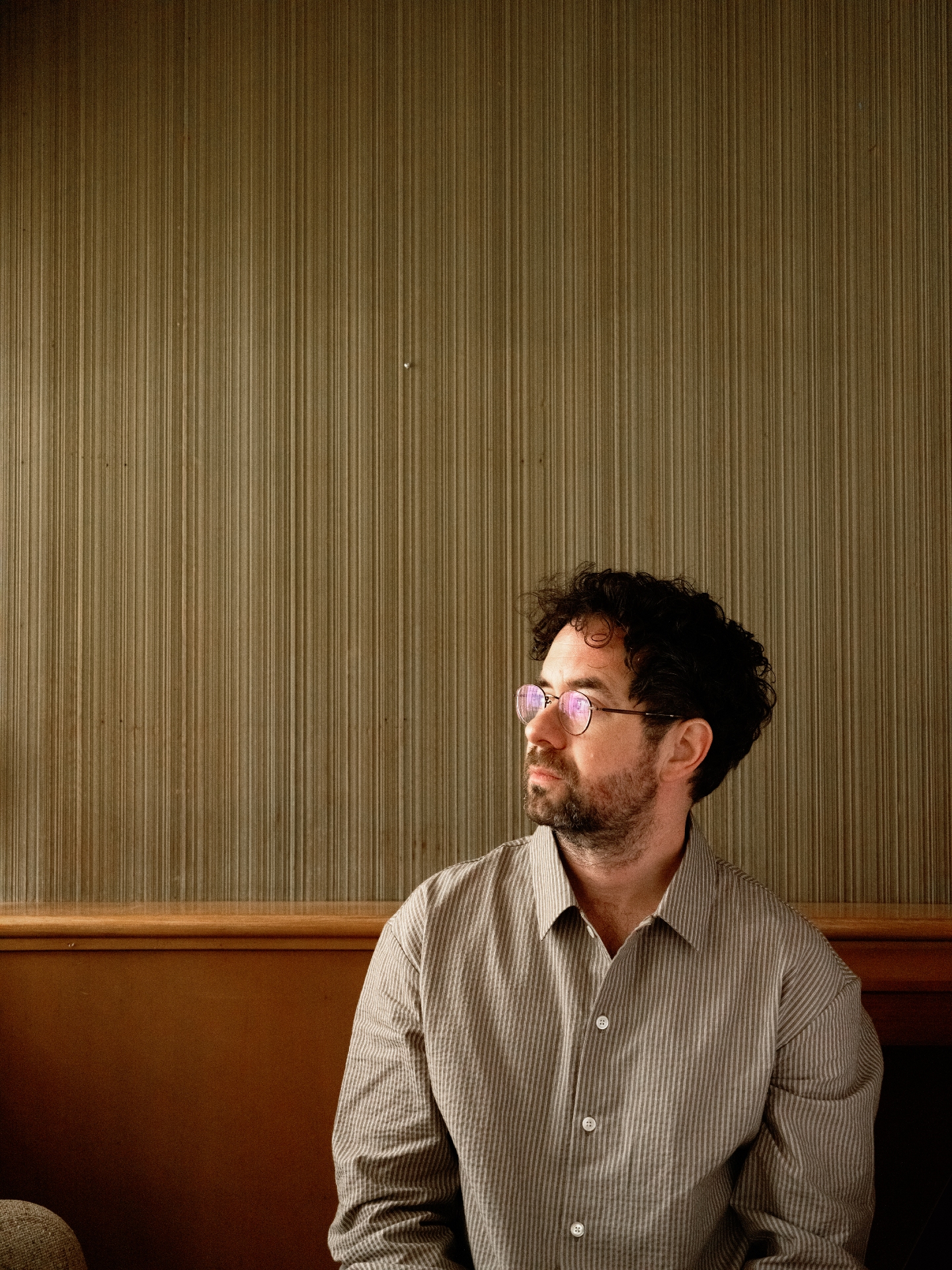
Jean-Michel Blais is a Montreal-based pianist, composer and performer signed to Arts & Crafts and Mercury KX (Decca). His first album Il made it into Time Magazine's Top 10 in 2016, and his music has since accumulated over 225 million online streams. Suffering from Tourette's syndrome and member of the LGBTQ+ community, he also draws on his experience as a former special educator to write. With his piano, orchestral or electronic, ecstatic yet intimate compositions, Jean-Michel travels the world (Europe, North America, Russia), while enchanting audiences at home, playing for over 40,000 spectators at the Festival International de Jazz de Montréal *in 2023. Also scoring, he won a Cannes Soundtrack Award for the soundtrack to Xavier Dolan's *Matthias & Maxime and composed the music for* Wonderfall*, a Moment Factory installation for Singapore's Changi airport. Teaching himself orchestration, he crafted his last two opuses, aubades and sérénades, touring around the world with both chamber and symphonic renditions.
Jean-Michel Blais was ready to make an epic. mirador, the pianist-composer's fourth album, finds the Montreal artist turning his gaze onto a wide, wondrous world—exchanging contemporary minimalism for a light and generous maximalism. It's an odyssey that spans choirs, strings and the music of the Andes, running from Spanish caves to Estonian forests and back again to the hideaway in tiny Nicolet, Québec, where Blais first imagined the adventures that might await him.
After 375 million streams and the biggest concerts of his life, the origins of mirador were remembrances from Blais' childhood. Back then, he was a musical kid dreaming up worlds in his basement: turning pages in a Larousse encyclopedia; arranging its volumes into a castle; playing with Fisher Price instruments and his family's cheap Hammond organ; endlessly replaying the same cassettes. Even if he wasn't fully aware of these things yet, as a queer person, a person with Tourette's, the basement was Blais' refuge—an imaginary lookout, a "mirador." "As kids," he remembers, "we made so much with nothing. We dreamed so big without even leaving our homes." Sometimes Blais would watch old videos of his parents, ballroom-dancing; other times he'd try to imagine his father as a choir-boy, singing at a wedding.
Years later, when Blais had begun experimenting with orchestration (for 2022's aubades), he was struck by the idea that every instrument is being played by a human being. Now, the pianist asked himself: what if you heard from those humans directly, as pure instrument? A 12-part chorus, singing without lyrics. Blais conceived it all from his apartment's flimsy kitchen island; then, with help from William Brittelle (LA Philharmonic, Roomful of Teeth, The National), he assembled a choir of baroque and plainsong singers; finally, he added a string quartet of his friends.
Composing this material "unleashed something," Blais says—bringing back years of musical memories. As a child, one of Blais' prized tapes was a bootleg of traditional music from the Andes, recorded off the radio; he could also recall vivid encounters with a white-clad pan-flute player on the streets of Québec City. Blais' father was the son of a farmer; his mother, the
daughter of a butcher; but they had taught their son to dance the salsa, the mambo, the cha-cha. Blais later taught himself Spanish—and was so moved by his first visit to Central America that he resolved to quit the music conservatory and give all his possessions away. Throughout his twenties, Blais made numerous visits to Nicaragua, Guatemala and Argentina, studying, working, learning the marimba, pitching-in. There, he fell in love with the sounds of traditional Andean folksong, especially artists like Los Kjarkas and Bonnie Alberto Terán.
Now, in the studio, Blais enlisted the help of musician Tulio Velazco Villagra, a Montrealer who grew up on the shores of Lake Titicaca. As a master of Andean instruments like the charango, quena and zampoña, Velazco Villagra showed Blais how to integrate these traditions with humility and respect—and taught him how to tune a pan-flute with arroz y frijoles. Elsewhere, on tracks like "laulasmaa" and "ulysse," Blais was influenced by a residency at the Arvo Pärt Centre—gathering leaves with the Estonian composer, immersed in his landscape and chorales. As time went by, the pieces that would turn into mirador felt like turning the pages of a storybook—stealing glimpses of past and present, voyages to the other side of the globe, and influences as diverse as Ariel Ramirez, TLC, Palito Ortega, Beethoven, Portishead and Chariyajac.
The finished album is like a vivid childhood fantasy: a make-believe lookout that opens onto everywhere. From the Andean reverie of "carnavalito" to "kyrie"'s sacred chorale (or is it a sea- shanty?), from the courtly "pavane" to the flamenco of "granada," these compositions are light- footed, rich and intimate. Even starting with nothing, you can create so much—cut a crown from a piece of paper and suddenly you have a kingdom. Four albums into his career, Jean-Michel Blais is no longer just charting the map of his grown-up heart: on mirador, he offers a path back to childhood—a chance to listen anew, gazing into the imaginary.
- Received the SPACQ AE André Gagnon award for Instrumental Music 2024
- Jim Beam Award winner for Francophone Artist of the Year 2024
- Awarded Silver Ticket by ADISQ in 2024 for aubades
- Jim Beam Award winner for Francophone Artist of the Year 2023
- Winner of ADISQ 2023 for Lighting Design and Projections of the Year (Estelle Frenette-Vallières)
- Nominated at ADISQ 2023 for :
- Album of the Year - Popular Success (Estelle Frenette-Vallières)
- Show of the Year
- Video of the Year
- Script of the Year
- Winner of the Felix for Album of the Year - Instrumental for aubades at the 2022 ADISQ
- Nominated at the 2022 ADISQ for Album of the Year - Popular success for aubades
- Nominated at the 2022 ADISQ for Artist of the Year - International Exposure
A fragile and beautiful piece of music.
Mary Anne Hobbs, BBC6Blais's compositions can be as poignant as they are playful, mixing together accessible melodies with experimental flourishes.
CBCA succinct collection of minimal piano compositions that runs the gamut of human emotions: hope, sadness, joy and fear.
Noisey“Landscape” is one of the most unequivocally gorgeous covers imaginable.
PitchforkIt invites you to take a moment and recognize there’s still plenty of beauty left in the world - Top 10 Album Of 2016 for II.
TIMEAnother intimate masterpiece. 9/10 - Dans ma main
Exclaim